




Assess each research material through its identity, agreed specification and batch-specific evidence.
An evidence-led review
A product name, a percentage and a packaging photograph answer different questions. Identity evidence addresses what the material is. A chromatographic result describes a measurement under a stated method. A product image shows a presentation and cannot establish identity, composition, purity or suitability for a study.
The quotation process should identify the product designation, salt or counterion where relevant, nominal package quantity and required documentation. Sequence, molecular formula, molecular weight, analytical results and storage conditions are supplied when verified for the specific material. Missing values are not filled with inferred numbers.
What to ask for
Request a batch-linked certificate of analysis, the associated identity evidence, the analytical method description at an overview level, the result date and the specification against which the result was assessed. HPLC and mass spectrometry may provide complementary information, but neither term alone proves that every relevant quality attribute was assessed.
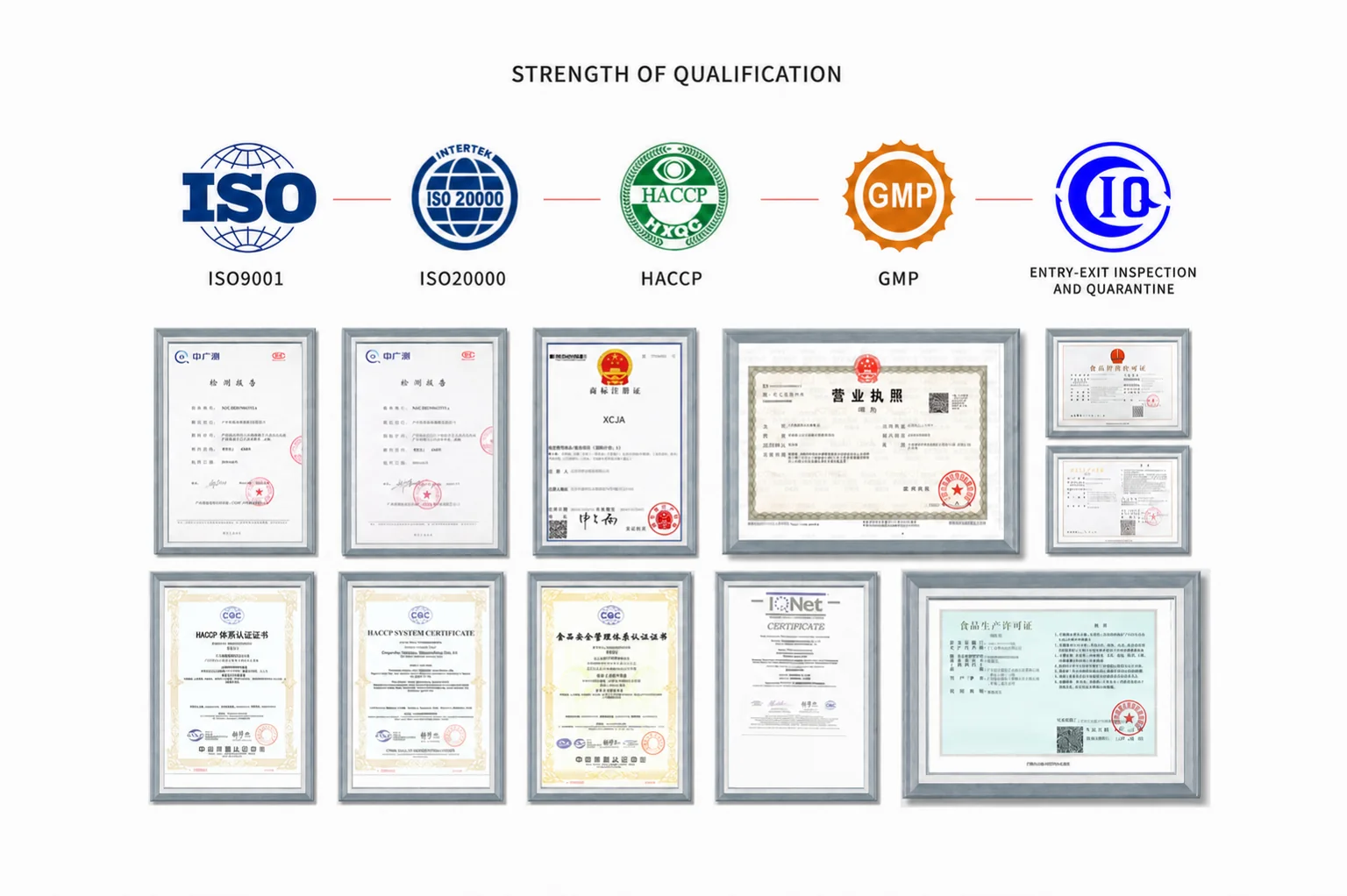
Endotoxin, microbiological status, residual components and stability are separate attributes. Their inclusion depends on the agreed specification and available evidence. We make no blanket claim that the portfolio is sterile, endotoxin-free, GMP-certified or uniformly 98% pure.
Retrieve the right record
Use the COA lookup with the exact batch identifier. Only records explicitly published by the documentation team can appear. If a record is unavailable, request it through the inquiry form; an unavailable online result is not a test failure or proof of authenticity.
The document centre includes a research-use declaration and procurement checklists. Product-specific COA, SDS and specifications are released after matching the request to the relevant identity, batch and disclosure requirements.
Company qualification background